

What Happened
In a significant legal move, a coalition of two dozen Democratic-led states has filed a lawsuit against former President Donald Trump in the U.S. Court of International Trade. This lawsuit centers around the global tariffs that Trump imposed, which amount to 10%, following a Supreme Court decision that struck down his previous “reciprocal” tariffs. The states argue that the new tariffs are similarly illegal, and their legal action comes on the heels of a judge’s order for the Trump administration to refund over $130 billion that was collected under the now-nullified tariffs. This complex web of tariffs and court rulings has thrown the nation’s trade policy into an uncertain landscape.
Who Said What
The controversy stems from Trump’s use of Section 122 of the Trade Act of 1974 to justify the new tariffs. This particular section has never before been invoked for such purposes, raising serious questions about its applicability. According to the lawsuit, the president is leveraging tariff authority that he does not possess, thereby risking chaos in the global economy. The lawsuit’s language strongly criticizes Trump’s actions, stating that he is undermining the constitutional order by overstepping his legal bounds. White House spokesperson Kush Desai has defended Trump’s actions, insisting that he is merely utilizing his legal authority to address America’s "large and serious" trade deficit. However, Desai acknowledges the complication surrounding Section 122, which was originally intended to resolve currency issues tied to gold-backed dollars in the 1960s, not modern trade deficits.
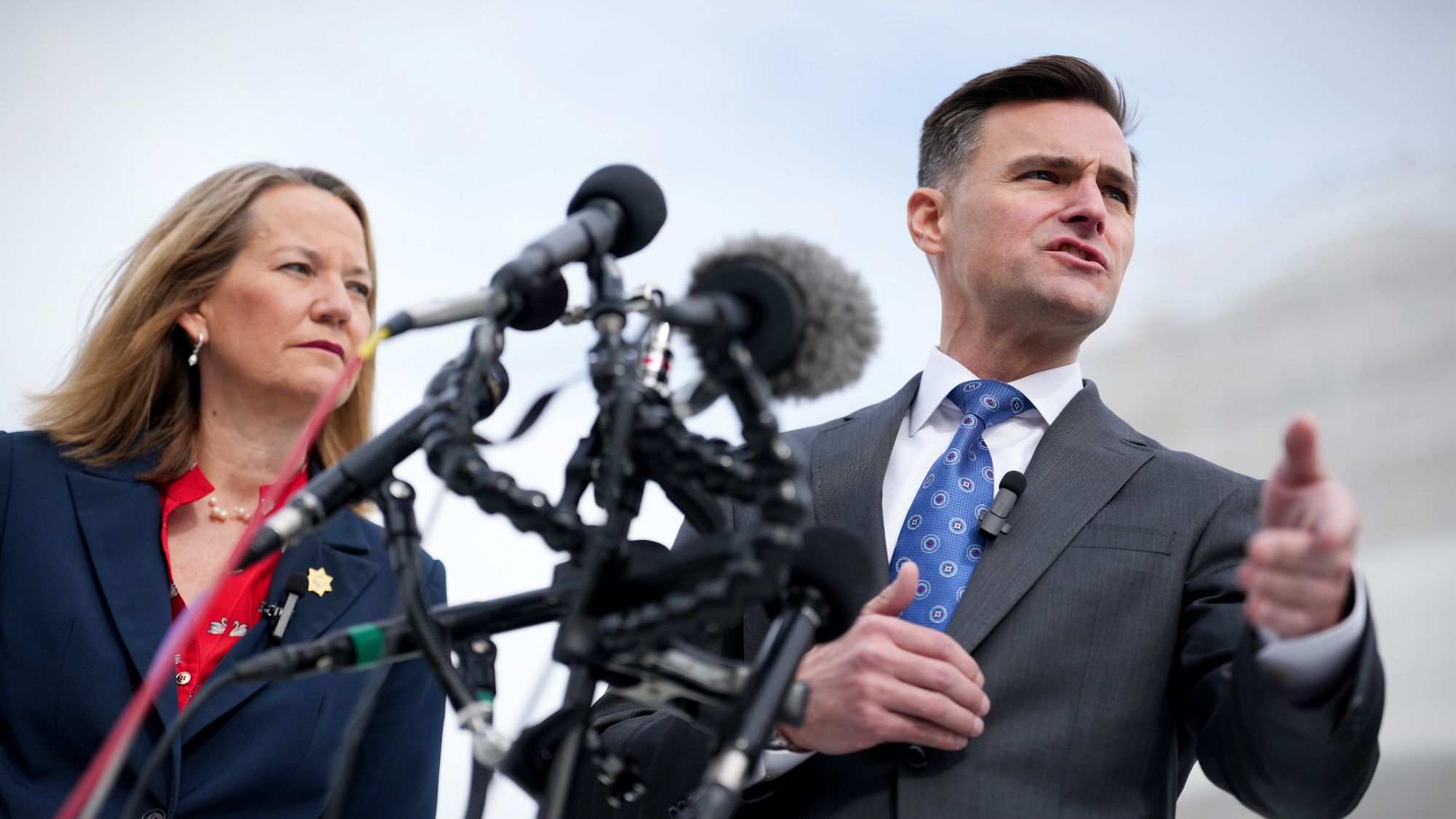
Arizona Attorney General Kris Mayes weighed in, suggesting that Trump either misunderstands or disregards the difference between historical economic crises and the current situation. Mayes and other critics argue that Trump’s interpretation of Section 122 is flawed, asserting, "He is breaking the law either way."
What Next?
Looking to the future, the coalition of states aims to declare the new tariffs illegal and to seek compensation for the financial burden incurred due to these tariffs while they were active. Oregon Attorney General Dan Rayfield encapsulated the current sentiment, stating, "The focus right now should be on paying people back." The states are eager not just for legal vindication but also for fiscal restitution.
As the legal proceedings unfold, various stakeholders—including businesses, consumers, and state governments—are keenly watching the developments. The potential implications of the outcome extend well beyond this immediate legal battle, influencing broader discussions around trade policy and economic governance in the United States. While the legal arguments are being fleshed out in court, the ongoing discourse around trade deficits, tariffs, and their repercussions on everyday Americans remains a pressing issue.