

### U.S. Patent and Trademark Office Denies A’s Trademark Applications
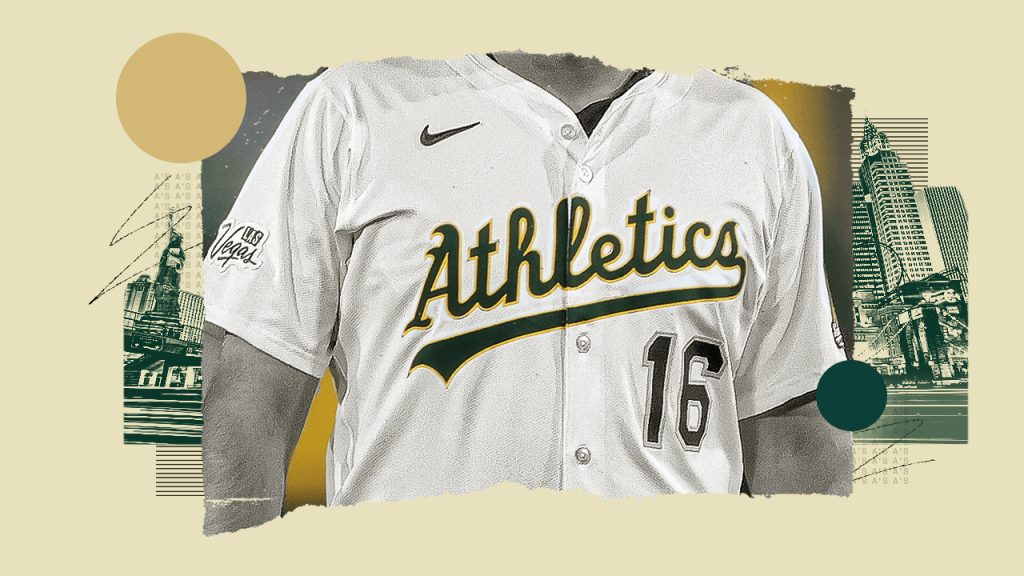
The U.S. Patent and Trademark Office (USPTO) has recently delivered a significant blow to the Oakland Athletics, denying their applications to trademark the names “Las Vegas Athletics” and “Vegas Athletics.” These applications sought registration for diverse uses, including clothing, footwear, and entertainment services. However, the team remains hopeful and has avenues to address the concerns raised by the USPTO.
### The Non-Final Office Action Explained
On December 29, USPTO examining attorney Janet Lee issued a non-final office action, indicating several issues with the A’s trademark applications. The term “non-final” is crucial because it allows the A’s a window of opportunity to address and potentially rectify the identified problems within the coming months. This means the door is still open for the A’s to pursue their trademark ambitions.
### Current Trademark Portfolio
While the denial of these specific trademarks stings, the A’s have a substantial safety net—more than two dozen existing federal trademark registrations. Their trademark portfolio includes critical protections that the team can leverage, even as they prepare for their move from West Sacramento, California, to Las Vegas in 2028. This existing framework provides not only peace of mind but also legal recourse through other avenues, such as state laws and licensing agreements.
### Distinctiveness Matters
One key reason for the trademark denial is the lack of distinctiveness in the proposed names. According to the USPTO, a trademark must effectively identify the source of the goods or services to qualify for registration. Names that are considered arbitrary, like “Apple” for technology products, are more likely to receive approval than names that are merely descriptive.
In the case of “Las Vegas Athletics,” Lee pointed out that the term “Athletics” is too generic, citing dictionary definitions that classify it broadly as relating to sports and exercise. This generic use undermines the distinctiveness required for successful trademark registration.
### Prior Registrations and Market Confusion
Despite the A’s assertion that they have established distinctiveness through prior trademark registrations—specifically for “Athletics,” “Philadelphia Athletics,” and “Kansas City Athletics”—the USPTO remained unconvinced. Lee stated that these past registrations do not support the new applications because they do not align closely enough with the new proposed marks. Furthermore, she emphasized that consumers are unlikely to view “Las Vegas Athletics” as synonymous with its predecessors.
The examining attorney also noted that incorporating city names into sports team identities helps distinguish between competing entities, making it easier for fans and consumers to understand which team is being referred to. For example, the distinction between “New York Rangers” and “Texas Rangers” is clear due to the geographical components.
### Geographical Descriptiveness
Another significant hurdle for the A’s in their application process lies in the geographical nature of the proposed trademarks. The USPTO often rejects trademarks that could monopolize generic geographic terms, especially those that other providers of goods and services might also wish to use. Lee referenced a previous case involving “Paradise Island Airlines,” which was deemed geographically descriptive, illustrating the precedence set by similar rulings.
### The Bigger Picture
While the denial from the USPTO represents a challenge for the A’s, it does not dictate their future. The team, officially known as the Athletics Investment Group LLC, holds several other federal trademarks that still provide important protections. These include trademarks for the letters “A’s” and the broader term “Athletics,” both of which can support them in various arenas, from merchandise to licensing.
### Name Usage and Legal Protections
Importantly, the A’s are not mandated to discontinue using the “Las Vegas Athletics” name simply because its trademark registration has not been approved. They’re free to pursue their branding as long as it complies with Major League Baseball regulations. Trademark registration is merely one piece of the puzzle; alternative legal protections exist, such as state laws and contract provisions, that serve to safeguard their brand and identity.
### The Path Forward
The denials are non-final, and the A’s have the opportunity to challenge and potentially overturn the USPTO’s findings. They can present evidence or arguments to persuade Lee to reconsider her stance, or escalate the matter through the Trademark Trial and Appeal Board if necessary.
### Trends in Trademark Rejections
The A’s predicament is not an isolated case in the world of professional sports. For instance, the New York Jets have faced their own challenges in attempting to trademark “Gotham City Football,” with the USPTO arguing that the term is too closely associated with a geographical name to warrant protection. The Jets maintain that Gotham City, as part of Batman’s universe, transcends the notion of a real location.
As these examples illustrate, navigating the world of trademark registration can be notoriously complex and fraught with legal nuances, but the journey continues for the A’s and many teams like them.