
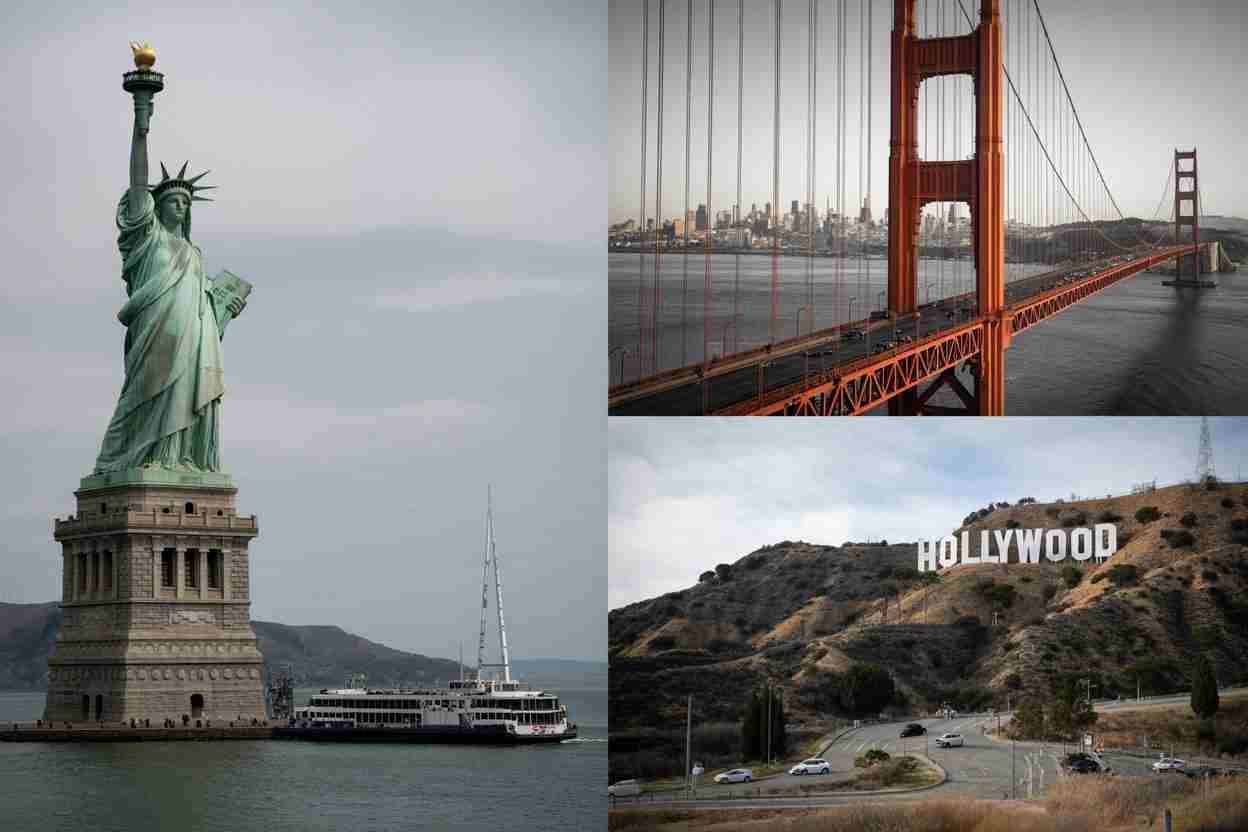

New York Joins San Francisco, Washington D.C., Los Angeles, and Las Vegas in Tourism Crisis: The U.S. Faces Historic Drop in Global Visitors
New York City has become the latest American city to feel the pinch of a growing tourism crisis, joining the ranks of San Francisco, Washington D.C., Los Angeles, and Las Vegas. Once buzzing with international travelers, these iconic urban centers are now grappling with an alarming decline in global visitors. This downturn follows stringent federal policies enacted in 2025 and 2026, aimed at tightening travel regulations. Enhanced vetting processes, stricter visa requirements, and expanded travel bans have collectively left their marks on U.S. tourism, complicating the entry process and dampening the country’s allure as a prime travel destination for international tourists.
New York City: The Big Apple Faces a Sharp Decline
New York City—long celebrated as one of the world’s most frequented locales—is witnessing an unprecedented downturn in international tourism. In 2024, the city welcomed around 65 million visitors; however, projections for 2025 have been downgraded to approximately 64 million. While this may seem like a modest decrease, it signals a critical turning point for NYC’s tourism landscape. The NYC Economic Development Corporation (NYCEDC) has indicated that a projected 12.1 million international visitors could vanish in 2025, leading to a staggering 17% drop from prior estimates.
This decline stems largely from federal travel policies altering the entry landscape. Stricter visa vetting and enhanced travel regulations have cultivated an impression that the U.S. is no longer as welcoming as before. By mid-2025, inbound air travel to New York was already down by more than 3%, and local hospitality sectors—including hotels, restaurants, and cultural venues—were poised for an even steeper drop.
The city’s erstwhile magnetic pull for international tourists, especially from Europe, Asia, and Latin America, is waning. Hence, as complex visa processes loom, international travelers are finding themselves increasingly deterred from planning journeys to the U.S., which is echoed in New York’s declining tourism metrics.
San Francisco Struggles Amid Economic and Policy Changes
San Francisco, too, is grappling with the repercussions of a broader tourism downturn. Known for its stunning scenery and historic landmarks, this city has long been a beacon for international travelers. However, a 2025–2026 forecast from the San Francisco Travel Association anticipates a concerning 3.2% dip in international visitation compared to the previous year.
Visa delays, geopolitical tensions, and abiding travel bans are shifting the dynamics of international travel to the U.S. While domestic tourism may see a rise, the international demographic is projected to decline steeply. Projections show a 2.7% decrease in international spending—another bad sign for a city that relies heavily on visitors from abroad.
As San Francisco loops into 2026, uncertainty looms over its tourism industry. Although domestic visitor numbers may still demonstrate resilience, the ongoing suppression of international tourism poses a significant long-term threat to the city’s economic health.
Washington, D.C.: Record 2024 Visitation Masked by 2025 Slump
Washington, D.C., with its rich historical and cultural significance, is also witnessing a decline in its international tourism landscape. While the city had a record influx of 25 million domestic visitors and 2.2 million international ones in 2024, forecasts indicate a worrying 6.5% dip in international visitation for 2025.
The challenges facing Washington D.C. are tied to visa wait times and expanded travel restrictions that complicate entry for travelers from various regions including Europe and Asia. Although domestic tourism remains robust, the significant backlash on the international front is alarming for a city celebrated for its monuments, museums, and significant landmarks.
Local officials are pushing for policy reevaluations to protect the cultural and economic frameworks that sustain the city. Sites like the Lincoln Memorial and the U.S. Capitol could see fewer international visitors, which could have long-term ramifications on Washington D.C.’s world-renowned tourism sector.
California and Los Angeles: Iconic Destinations Suffer
California’s tourism market, characterized by diversity and attractions that draw visitors from across the globe, is also feeling the aftermath of international tourism decline. Cities like Los Angeles face a forecasted 9.2% decrease in international tourists in 2025. This downturn can be traced back to restrictive policies concerning travel bans and visa protocols.
Specifically, Los Angeles is heavily dependent on international tourists, who are responsible for more than half of the total visitor spending. The ramifications of a drop in international tourism reverberate throughout the local economy, affecting hospitality, retail, and entertainment sectors. Tourist staples like the Hollywood Walk of Fame and Santa Monica Pier report diminished foot traffic, raising alarms about the dire implications for the job market reliant on tourist spending.
Las Vegas: Entertainment Hub Faces a Decline in Key Markets
Las Vegas, synonymous with entertainment and vibrant nightlife, is facing its own challenges in terms of international tourism. Recent reports from the Las Vegas Convention and Visitors Authority (LVCVA) indicate a 7.5% decline in visitor numbers for 2025, particularly in leisure and international tourism segments.
Tightened visa regulations and expanded travel bans are directly affecting Las Vegas’s ability to attract international high-spending tourists. While convention attendance remains steady, the milder leisure tourism market shows signs of faltering under current policies.
With Las Vegas’s reputation as a global entertainment hotspot now jeopardized, tourism leaders are pressing for a reconsideration of travel policies that deter international visitors.
Federal Policies Driving the 2026 Decline
The landscape is poised for an additional downturn due to significant federal policies set to commence in 2026. An expansion of travel bans will take effect on January 1, complicating entry for nationals from countries such as Afghanistan, Libya, Sudan, and Yemen. The broad implications of these travel restrictions are likely to directly impact cities highly reliant on international visitors.
Moreover, the U.S. Department of State’s pause on immigrant visa issuances for nationals from over 60 countries intensifies the perception that the U.S. is closing its doors to international tourism, creating further reluctance among potential tourists. The cumulative ramifications of long visa wait times and heightened entry requirements risk isolating the U.S. from the global tourism market.
The intricate challenges facing major U.S. tourism cities paint a sobering picture for the industry moving forward. With substantial consequences looming for the economy and global standing, a reevaluation of current policies could be crucial in reversing this troubling trend.