

The Rise and Fall of the Oakland Athletics: A 25-Year Journey
MESA, Ariz. – Twenty-five years ago, the Oakland Athletics stood on the precipice of greatness, teetering on the brink of what many believed could have been a dynasty. Only two decades removed from the electrifying “Bash Brothers” era of the late 1980s, the A’s had experienced a resurgence in the 2000 season, winning the American League West and tasting the sweetness of postseason glory once more.
A Promising Start
The year 2000 was pivotal for the Athletics. It was marked by the emergence of a powerful offense and a young pitching staff that hinted at future brilliance. Jason Giambi, an imposing figure in the batting order, clinched the American League Most Valuable Player award, while Tim Hudson showcased his potential, finishing as a runner-up for the Cy Young award. Terrence Long’s impressive rookie year saw him finish second in the Rookie of the Year voting alongside his burgeoning teammates. The roster sparkled with potential, creating a palpable buzz that heralded a bright future. Yet, as history would show, that future was fleeting.
The Disintegration of a Core
The promise of the early 2000s was dismantled piece by piece. Although the A’s made the playoffs in each of the subsequent three years, their core gradually diminished. Giambi bolted as a free agent after the 2001 season. Miguel Tejada, who captured the AL MVP in 2002, departed after 2003. By the end of the 2004 season, Hudson and Mark Mulder—the latter a Cy Young runner-up in 2001—were traded away, leaving a gaping hole in an already thinning roster.
Barry Zito, the recipient of the AL Cy Young award in 2002, remained with the A’s a few more seasons before joining his ex-teammates in free agency. Amidst this exodus, Eric Chavez remained, signing a six-year, $66 million extension before the 2004 season—a deal he humorously attributed to the lack of competition from fellow stars who had left.
Financial Constraints and Strategic Decisions
General Manager David Forst spoke candidly about the A’s strategic decisions during this tumultuous period. With payrolls hovering in the $50 to $60 million range, the management faced daunting challenges in retaining key players, leaving them unable to enter long-term discussions with several pivotal figures.
Chavez’s continued excellence yielded three more Gold Gloves, yet ailments and diminished contributions marred his last seasons. The front office frequently reminisced about the hypothetical scenario of retaining Giambi, Tejada, and their iconic pitchers—wondering what an extended era of success could have looked like.
Looking Ahead: A New Era
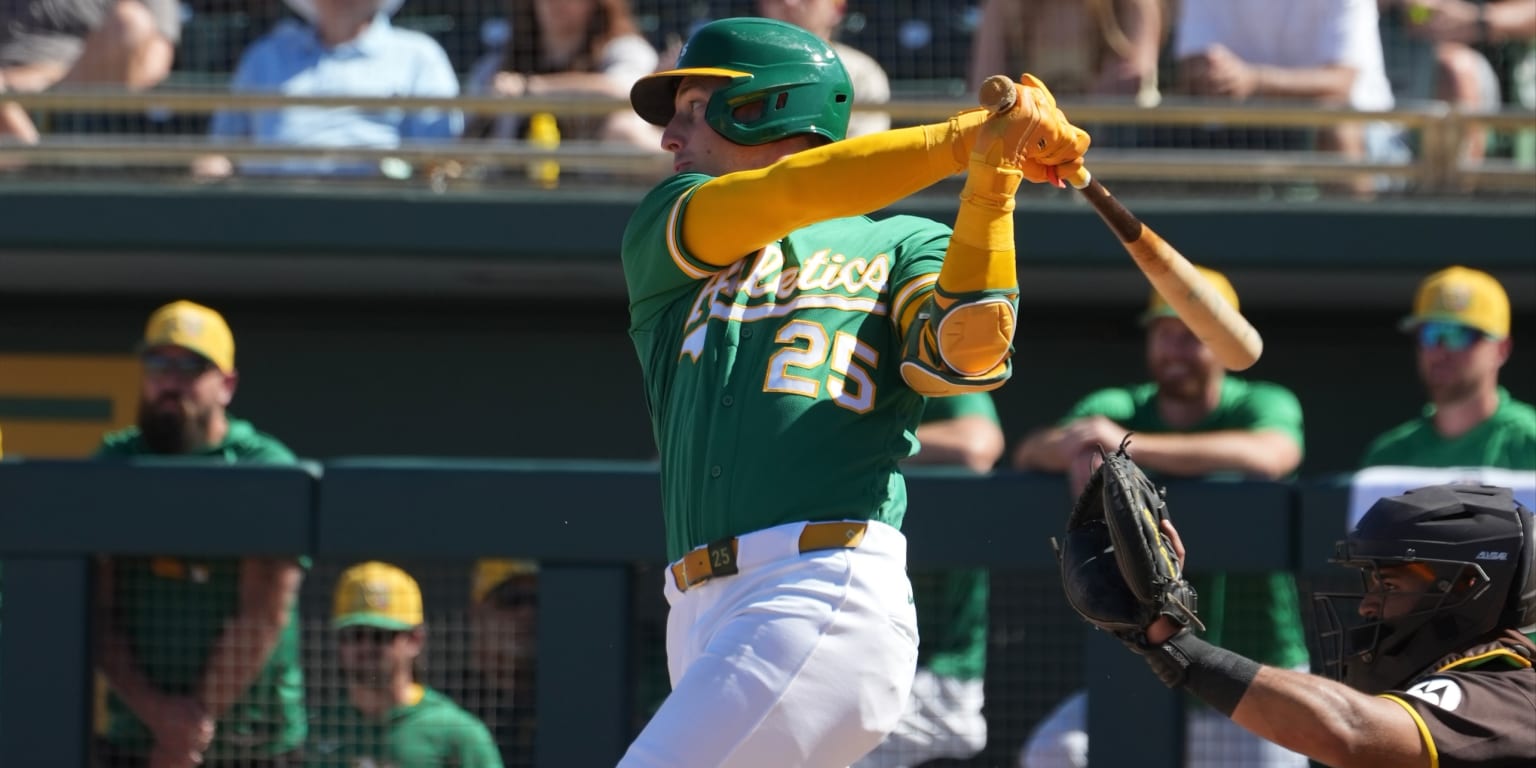
Fast forward to today, and the A’s find themselves within a drastically changing landscape. While the current roster lacks MVPs or a Cy Young winner and hasn’t enjoyed a winning season since 2021, Forst maintains a cautious optimism fueled by a fresh young core. Key players like Brent Rooker, who inked a five-year, $60 million extension in January 2025, symbolize this shift—a tangible commitment towards sustained success. Rooker’s leadership and performance are not just critical to the team but also serve as inspiration for his peers.
Forst shed light on conversations with multiple talents, including Rookie of the Year Nick Kurtz and catcher Shea Langeliers, regarding potential extensions. The depth of the A’s pitching prospects—including J.T. Ginn, Luis Morales, and others—offers further encouragement for fans longing to see the team return to postseason play.
Preparing for Las Vegas
With the impending move to Las Vegas in 2028, the organization seeks to harness new opportunities for growth. Forst believes that the attractive potential of a new, state-of-the-art ballpark will help raise interest from both players and fans alike—a welcome transition from their temporary home in Sacramento.
The transition is poised to reshape the financial viability of the franchise, allowing for a more aggressive stance in the free agent market. As Forst pointed out, emerging from a transactional focus to a more strategic long-term planning model will be essential for building a sustainable winner.
Embracing the Future
While Forst remains respectful of the challenges that lie ahead—acknowledging that the A’s have yet to clinch a postseason birth since 2020—he strikes an optimistic tone about the club’s future. The recent player commitments and the strategic planning around the new stadium signify a strong foundation upon which to build.
The A’s might not be commanding attention with dazzling performances at the moment, but the groundwork is being laid for a resurgence. The whispers of past glory linger, and the franchise is now focused squarely on the horizon. The landscape of baseball is forever changing, and the Athletics are aiming to reestablish themselves not just as contenders but as a legacy redefined.