

Canada Unites with Economic Downturn: The Dismantling of U.S. Travel
Published on January 15, 2026
By: Tuhin Sarkar
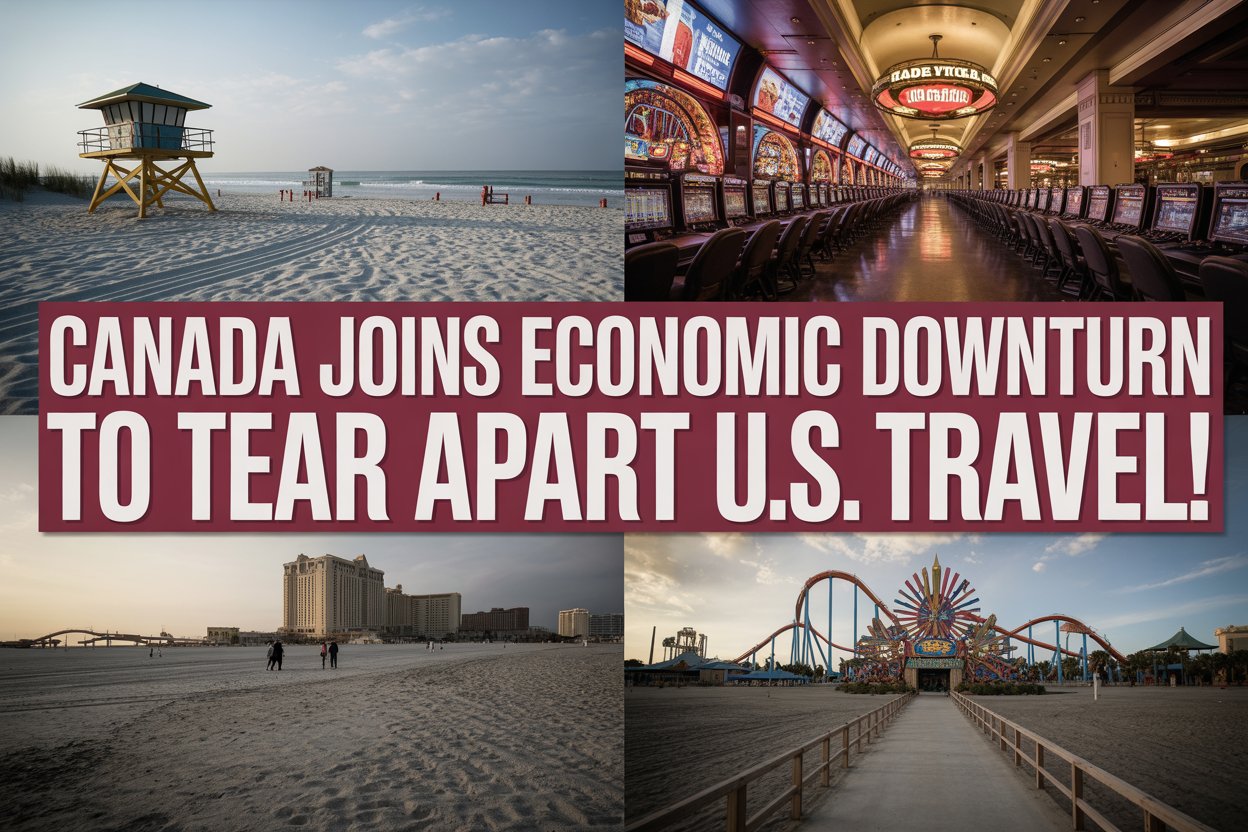
As the effects of an economic downturn become increasingly pronounced, Canada finds itself cutting ties with its southern neighbor, the United States, resulting in a drastic shift in travel dynamics. Once bustling destinations such as Florida, California, and Las Vegas are experiencing a catastrophic decline in air traffic, leaving both local economies and Canadian travelers yearning for relief. This decline is not merely a statistic; it represents real people and lost opportunities, reshaping the landscape of travel in North America.
A Shift in Travel Patterns
The sharp reductions in flight availability from Canadian airlines have left travelers with fewer options. While Canada gears up for a recovery, political tensions and a weakened Canadian dollar are driving travelers to reconsider their plans. Airlines are responding to dwindling demand by slashing flight frequencies to popular U.S. destinations, leaving Canadians in a predicament as they navigate rising travel costs and fewer flights.
Florida’s Tourist Exodus
Traditionally, Florida has served as a sunny retreat for Canadians, but this trend is rapidly changing. Statistics indicate that only 1.2 million Canadians traveled to Florida in early 2025, a significant drop from 3.41 million in 2024. Major airports in Toronto and Montreal have witnessed over a 15% decrease in transborder passenger volumes, prompting airlines to cancel seasonal flights and reduce aircraft sizes. The obstacles of fewer routes and increased airfare are pushing the allure of Florida out of reach for many would-be travelers.
California’s Golden Dream Dims
California, a beacon of sun-soaked beaches and world-renowned theme parks, is also feeling the effects of diminished flight capacity. Cities like Los Angeles and San Francisco have seen drastic cuts in service, with Vancouver International Airport reporting a 10.6% drop in transborder passengers. Airlines are redirecting fleets towards more lucrative markets in Mexico and the Caribbean, leaving Canadian travelers to confront scarce flight options and soaring prices. The quintessential Californian dream is becoming harder to attain, leaving many to wonder if it is slipping away.
Las Vegas Faces a Light Dimming
Las Vegas has long been a hotspot for Canadian gamblers and conference-goers, yet it is struggling under the current travel regime. Fewer flights from Canada mean that access to this iconic city is more limited than ever. Airline data indicates a year-over-year reduction in air traffic movement to popular destinations like Las Vegas, transforming trips to the vibrant entertainment hub into a logistical challenge marked by longer wait times and complicated itineraries.
Arizona’s Desert Landscape Left in the Dust
Meanwhile, Arizona, famed for its warm winters and stunning geographies, is seeing a decline in Canadian visitors as well. Transborder traffic to destinations like Phoenix and Tucson has drastically declined. Airlines have adjusted their routes, slashing seat capacity and leaving snowbirds searching for options to escape Canada’s winter chill. Many are now opting for cheaper, more accessible Caribbean destinations rather than enduring reduced service to Arizona.
Texas Takes a Hit
The Lone Star State, known for its rodeos, cultural attractions, and urban charm, is not exempt from this downturn. Major Texan cities such as Dallas, Houston, and Austin are suffering from the fallout as airlines cut vital routes. Statistics indicate significant drops in transborder traffic, frustrating Canadian families, business travelers, and sports enthusiasts alike. With mounting costs and fewer options available, the question of when Texas will reclaim its Canadian visitors looms large.
New York’s Empire Crumbles
The allure of the Big Apple—a hotspot for Canadians seeking a dose of culture, arts, and dining—is also fading. Recent data shows a sharp decline in transborder traffic at key airports, leading to a reduction in flights to places like LaGuardia and JFK. As airlines prioritize international routes, Canadian travelers are left navigating higher airfare and limited flight options, calling into question whether the magic of New York remains appealing.
Midwest and Great Lakes Suffer
The Midwest, including cities like Chicago, Detroit, and Minneapolis, is feeling the sting of these changes as well. Reduced flights from key Canadian cities mean a significant impact on business and leisure travel in the heartland. Airlines are reallocating aircraft away from these routes, leaving families and businesses with less access to critical connections. The implications go beyond mere inconvenience; they threaten economic opportunities and personal connections.
Pacific Northwest’s Pain
Similarly, the Pacific Northwest is seeing the consequences of this travel decline. Cities like Seattle and Portland, once popular among Canadian travelers, are grappling with reduced air service. Vancouver International Airport’s significant drop in traffic to these locales requires Canadians to contend with longer, more complicated travel itineraries, raising questions about the future of tourism in this region.
In reflecting on these dynamics, it becomes clear that the economic downturn has not only affected markets but also altered the course of travel. While Canadians are accustomed to crossing the border to experience the benefits of U.S. tourism, the new challenge created by decreased flights and rising costs has left many in a state of uncertainty. The effects ripple through communities and economies, necessitating a serious consideration of what lies ahead for cross-border travel. As this trend evolves, the question remains: will the routes and opportunities return, or is this the new normal?