

Analysis of U.S. Semiconductor Tariffs and Their Impact on Korea
The Context of the Tariff Announcement
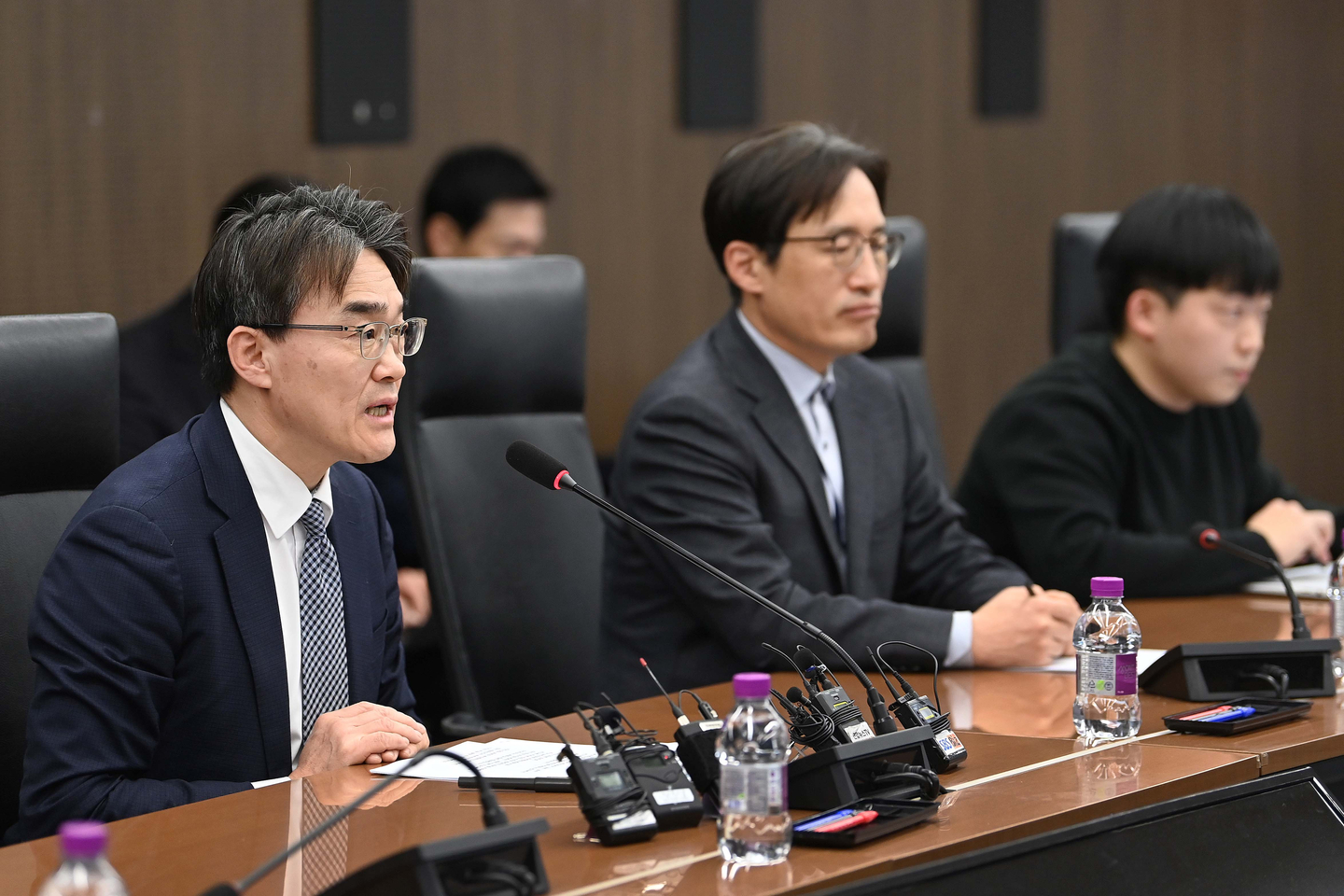
On January 14, 2026, U.S. President Donald Trump signed a proclamation imposing a 25% tariff on advanced AI semiconductors produced by companies like Nvidia and AMD, specifically targeting their shipments to China. This significant move has raised eyebrows globally, particularly in South Korea, where the semiconductor industry plays a crucial role in the economy. The announcement followed urgent meetings among Korean officials, including Trade Minister Yeo Han-koo, who convened with both public and private sectors to assess the situation.
Immediate Reactions in Korea
As news broke, the South Korean government responded swiftly, with officials engaging in discussions to gauge the implications of the tariffs. Minister Yeo, while speaking at Union Station in Washington, emphasized the need for clarity regarding how these tariffs could potentially affect Korea’s vast export market.
“New executive orders related to semiconductors and critical minerals were announced,” Yeo stated, indicating that they would need more time to understand the broader landscape. Although it was inferred that the immediate impact on Korean companies could be minimal, there was significant concern about indirect consequences.
Targeting China, While Eyeing Broader Implications
While the tariffs are focused on AI semiconductors bound for China, South Korean officials noted that the current measure would likely have limited direct effects on domestic manufacturers. Unlike China, South Korea is not under the same export controls regarding advanced semiconductor technologies. Local industry players, like Samsung Electronics, primarily source semiconductors from Taiwanese manufacturers such as TSMC, with products shipped directly to Korea. This supply chain dynamic diminishes the risk posed by U.S. tariffs aimed specifically at China.
However, the overarching concern lies in the potential expansion of these tariffs to broader categories of the semiconductor industry, particularly those derivatives utilized in smartphones and other consumer electronics. Such a move could significantly alter the competitive landscape, leading to increased prices for Korean exports.
The Strategic Context of U.S. Tariffs
President Trump framed the tariff decision within a national security context, authorized under Section 232 of the Trade Expansion Act. This section allows the U.S. government to impose restrictions on imports considered a threat to national security. Previous tariffs under this legislation have affected various sectors, including steel and aluminum, highlighting a pattern where national security concerns often intersect with trade policy.
The administration suggested these tariffs are not just about protecting U.S. industries but also aim to enhance federal revenue, positioning them as a financial strategy ahead of the upcoming midterm elections. The potential to generate additional income through tariffs on semiconductors could create a complicated scenario, especially considering the already-sensitive state of inflation in the United States.
U.S.-China Relations and the Semiconductor Market
The U.S. trade policy towards China is a critical backdrop to these tariffs. By targeting AI chips—a sophisticated segment of the semiconductor market—Trump is attempting to curb China’s growing technological prowess. The fact that the tariffs will collect revenue while simultaneously escalating costs for Chinese buyers intensifies the geopolitical stakes.
Reports have highlighted that packages including advanced AI chips destined for China could escalate prices substantially. The strategic implication is clear: by limiting access to these technologies, the U.S. aims to maintain a competitive edge in the global technology arena.
Response from Key Industry Players
Korean semiconductor companies have expressed cautious optimism, pointing out that while the tariffs are explicitly aimed at China, the downstream effects could still pose challenges. If the U.S. expands its tariff regime to include derivative products, Korean manufacturers could find themselves at a disadvantage.
For instance, if consumer electronics—like smartphones—are affected by these tariffs, prices could rise significantly, impacting brands across the board, including prominent players like Samsung and Apple. A senior official noted that while the current tariffs focus on chips, the possibility of broader tariff measures remains a concern.
The Path Ahead: Ongoing Evaluations
South Korean trade officials are now in a waiting game, assessing how these developments will unfold. Minister Yeo has indicated the necessity of continued dialogue with U.S. officials to address any potential impacts swiftly. The immediate view is that the repercussions need close monitoring, with the industry anticipating several measures to safeguard their interests.
Following the signing of the proclamation, White House officials clarified that the tariff is primarily applied to chips transshipped through the United States to other nations. This will directly target brands like Nvidia, whose production setup involves shipping chips through U.S. channels, impacting pricing dynamics significantly.
Conclusion
As the U.S. navigates its semiconductor policy amid geopolitical tensions, South Korea finds itself at a pivotal juncture. The interplay of trade, technology, and national security will dictate the landscape in the coming months, impacting decisions made at the highest levels of government and industry alike. The evolving situation requires ongoing vigilance from South Korean officials and market participants as they adapt to new realities in the semiconductor arena.