

The Las Vegas Raiders: A Need for Wide Receiver Improvement
As the Las Vegas Raiders prepare for a transformative offseason, one pressing issue looms large: the necessity to improve their wide receiver corps. The 2025 season exposed glaring weaknesses, as not a single pass catcher managed to eclipse 700 receiving yards. With new head coach Klint Kubiak at the helm, an offensive-minded leader renowned for orchestrating successful passing offenses, the urgency to bolster this position cannot be overstated.
The Setting: An Offensive Opportunity
Under the guidance of Kubiak, who previously served as the offensive coordinator for the Seattle Seahawks, the Raiders have a unique opportunity to revitalize their offense. Kubiak utilized a versatile array of wideouts in Seattle, notably featuring Jaxon Smith-Njigba, the Offensive Player of the Year last season. His experience suggests that he can harness the potential of talented receivers, yet the current roster lacks the depth and star power necessary to thrive in a competitive environment.
A New Era with a Promising Quarterback
Coupled with the necessity for a robust receiving unit is the Raiders’ anticipated selection of quarterback Fernando Mendoza with the No. 1 overall pick in the 2026 NFL Draft. This move signifies a pivotal moment for the franchise as they aim to establish a new offensive identity. However, without a reliable supporting cast, Mendoza’s development and success could be hindered. Investing in proven wide receivers is paramount to ensure that he can transition smoothly and make an immediate impact.
Financial Flexibility: Cap Space Advantage
Fortunately, the Raiders find themselves in a favorable position regarding salary cap space, boasting approximately $91.5 million to work with this offseason, as reported by Over The Cap. General manager John Spytek is in a prime position to leverage this financial flexibility. Strategic investment in a notable wide receiver should be a primary goal, as potential free agents can offer the kind of dynamic playmaking ability that the Raiders presently lack.
The Tyreek Hill Quandary
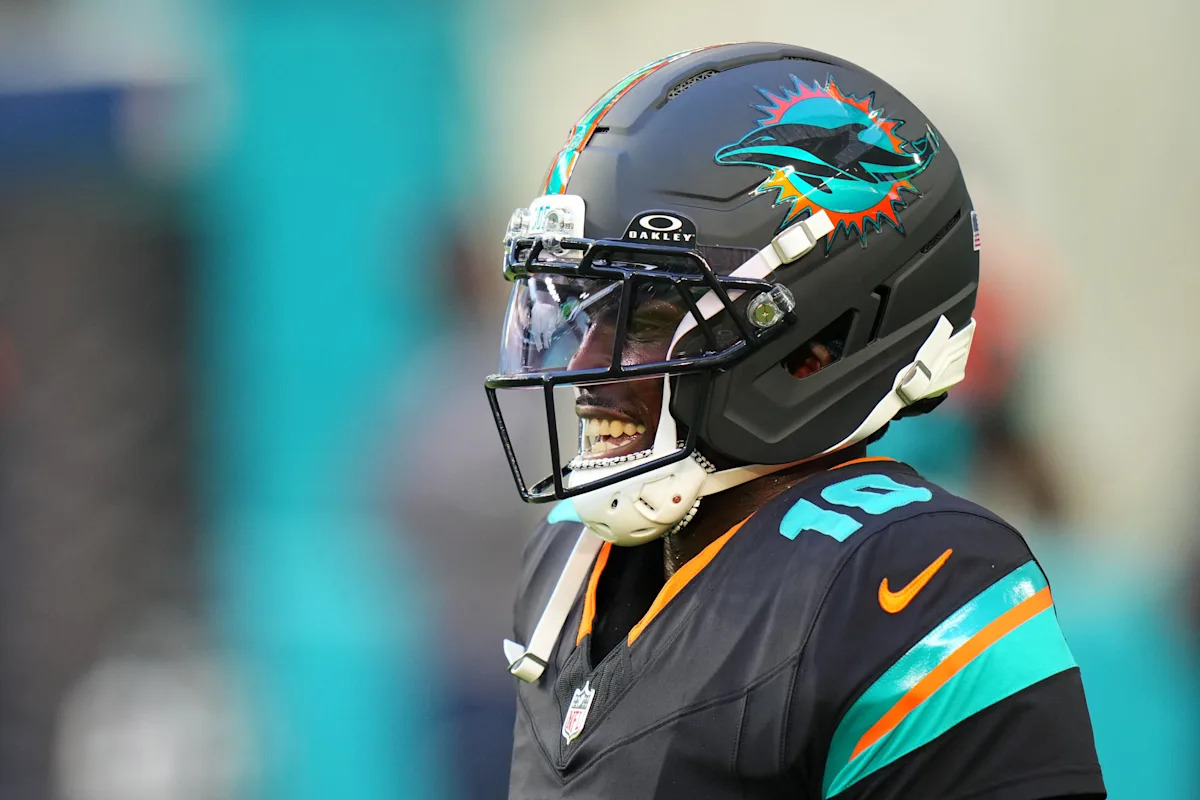
Among the most intriguing options recently made available is Tyreek Hill, the standout wide receiver formerly with the Miami Dolphins. Despite being released following a season-ending torn ACL and dislocated knee injury, Hill’s track record is nothing short of extraordinary—having surpassed 1,000 receiving yards in six different seasons and being an eight-time Pro Bowler. His game-breaking speed and ability to stretch the field would instantly elevate the Raiders’ offense.
However, the Raiders must tread carefully. The implications of Hill’s injury on his elite speed remain uncertain, and pairing his age—now 32—with an extended recovery period could complicate matters. While he has been a dominant force throughout his career, concerns about his off-field behavior, including numerous legal issues, raise valid questions about his fit within the Raiders’ culture, especially as they aim to cultivate a positive locker room environment for Mendoza’s debut.
Weighing the Risks and Rewards
The prospect of signing Hill comes laden with complexities. His on-field production speaks volumes about his abilities, yet his history of off-field distractions presents a potential risk. As the Raiders consider rebuilding under a new quarterback and instilling a cohesive team dynamic, they must weigh the benefits of acquiring a player of Hill’s caliber against the implications of his past conduct.
The Future of the Raiders’ Offense
In conclusion, improving the wide receiver position is critical for the Las Vegas Raiders as they embark on a new chapter. With Klint Kubiak’s offensive vision and significant cap space at their disposal, the franchise stands at a crossroads. The decisions made this offseason will not only influence the effectiveness of their new quarterback but will also shape the overall trajectory of the Raiders as they seek to re-establish themselves as a contender in the NFL. Finding the right balance between talent, character, and financial investment will be key as they navigate the complexities of player acquisitions and team dynamics.