
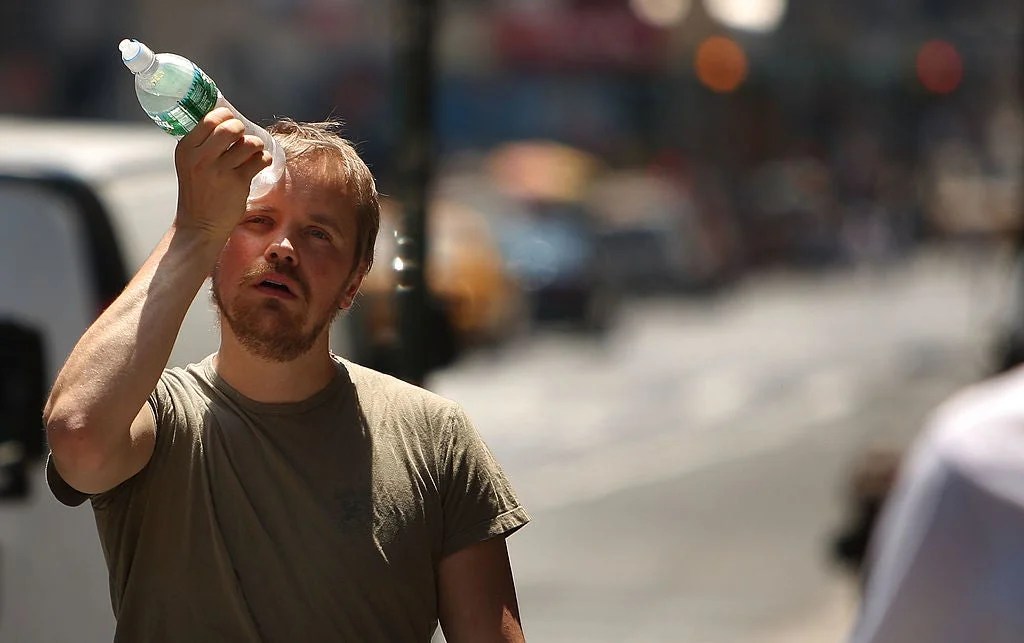

Las Vegas Braces for Unprecedented Early-Season Heat Wave
Las Vegas is preparing for a historic early-season heat wave that is set to send temperatures soaring well above the typical mid-March average of around 72°F. Meteorologists are describing this sudden heat surge as unprecedented, with predictions indicating a temperature increase of 20 to 30 degrees higher than normal. Such extreme weather phenomena not only affect daily life; they can also have broader implications for health, the environment, and local activities in this vibrant city.
The Current Weather Situation
As we head into the weekend, a high-pressure system is settling over the Southwestern United States. This weather pattern will keep temperatures elevated, with daily highs expected to climb to nearly 90°F. While many may eagerly embrace this early taste of summer, the reality is that such high temperatures can pose risks, especially for those unaccustomed to them. Gusty winds of up to 20 mph on Saturday will add a layer of complexity to the weather, bringing with them the chance of dry conditions that can exacerbate heat-related issues.
Heat Wave Intensification Next Week
Looking ahead, the heat wave is poised to become even more intense next week. Meteorologists are warning that high pressure will push temperatures further beyond 20 degrees over the seasonal norm, potentially breaking the previous record for March of 93°F, which was set just a year ago on March 26, 2022. An Extreme Heat Warning will be in effect from Wednesday through Sunday, with temperatures projected to reach the mid- to upper 90s and inching closer to the 100°F mark in localized areas. The heat could make the city feel more like July than March, showcasing just how unpredictably harsh weather can be in a desert environment.
Historical Context of Early Heat
To fully understand the significance of this heat wave, it’s helpful to look at historical data. The first recorded day reaching 100°F in Las Vegas occurred on May 1, 1947, while the average occurrence of this milestone typically falls around May 24. This year’s early onset of extreme heat serves as a stark reminder of climate variability and its impacts on seasonal patterns. Residents might wonder if this is a sign of a longer trend or merely a freak occurrence.
Pollen and Air Quality Concerns
Compounding the discomfort of rising temperatures, current air quality levels are rated as good; however, pollen counts are skyrocketing. High levels of allergens from trees—such as mulberry, sycamore, juniper, and cedar—are affecting those with sensitivities. Additionally, grasses and weeds like nettle, sage, and wormwood are also contributing to elevated pollen levels. Residents are being urged to practice caution, especially during peak hours of sunlight, to limit outdoor activities when possible and ensure adequate hydration as temperatures rise.
Preparation and Recommendations
With the prospect of such extreme heat ahead, it’s important for the community to prepare. Staying hydrated is imperative, and making a conscious effort to reduce outdoor activities during the hottest parts of the day can mitigate health risks. Simple steps like wearing lightweight clothing, utilizing sunblock, and seeking shade or air-conditioned spaces can make a significant difference in personal comfort and safety.
As Las Vegas gears up for this historic early-season heat wave, understanding the weather patterns and their implications can help residents navigate the challenges while still enjoying what the city has to offer.