

Building Up: The Future of Las Vegas Valley
As the Las Vegas Valley reaches its capacity for horizontal development, a persuasive argument is emerging among real estate developers and stakeholders advocating for a shift towards vertical living. With population growth and affordability issues on the rise, the focus is increasingly turning to high-rise residential units as a viable solution.
The Need for High-Rise Living
Brian Nugent, a real estate broker at IS Luxury specializing in high-rise condos, highlights a crucial point: as land for traditional single-family homes becomes scarce, high-rises offer an appealing alternative. Nugent explains, “There could be a need moving forward for more high-rises.” As the valley experiences a population boom, it’s imperative to rethink housing strategies, and building upwards could address both affordability and space limitations.
The urgency of this conversation is underscored by a study from Applied Analysis, projecting that the valley could run out of land for development as early as 2032. Nugent notes how recent discussions about land scarcity have intensified, signaling a need for an innovative approach to housing in the valley.
The Land Crisis
One of the most significant barriers to development is the federal government’s heavy control over almost all undeveloped land in the region. The slow release of this land to the private sector stifles growth and exacerbates housing issues. Nugent emphasizes the need for both public and private sectors to collaborate creatively to facilitate growth and accommodate the influx of new residents.
Overcoming Challenges in Vertical Living
While the idea of increasing high-rise developments is promising, it does come with its own set of challenges. The cultural shift required for many residents to embrace condo living, concerns around transportation, and increased density all need to be addressed. Notably, stringent building codes in the county pose additional costs and complications for potential projects.
However, Nugent envisions a future where pockets of high-rise developments flourish in various parts of the valley, including Summerlin and Henderson. This transformative vision illustrates how communities can adapt to the changing landscape.
Leading the Charge: Symphony Park
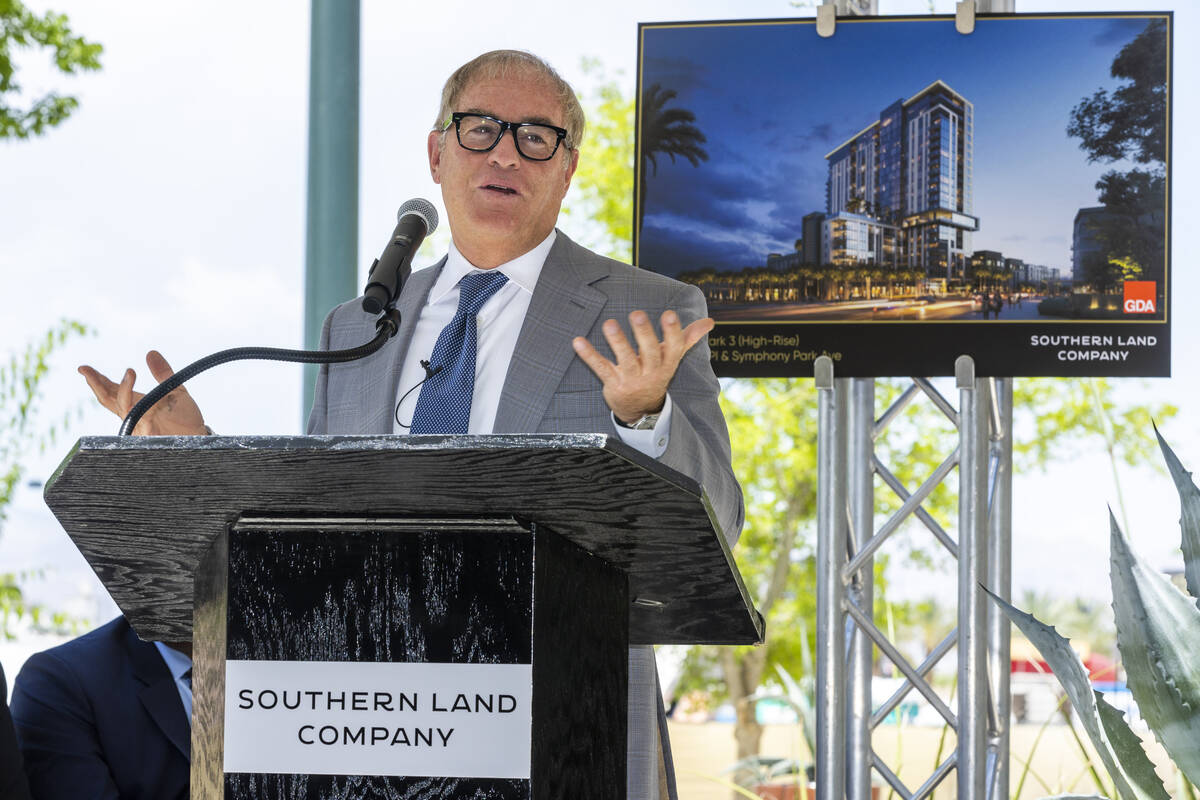
The Southern Land Company is at the forefront of high-rise development in Symphony Park, a burgeoning master-planned community rising from the Union Pacific railyard. With three multifamily projects expected to hit the market in downtown Las Vegas soon, CEO Tim Downey expresses optimism about high-density living. He points out that local acceptance of apartments and condos is growing, proving that the market is evolving.
Downey elucidates the benefits of high-rise living: “There will always be people who seek the high-rise living experience, complete with great amenities and incredible views.” This sentiment captures the essence of the transformation; high-rises can both revitalize neighborhoods and provide much-needed housing.
The Unique Landscape of Las Vegas
Las Vegas is uniquely positioned, surrounded by vast open land, which presents a distinct opportunity for new housing developments. However, this potential hinges on the federal government’s willingness to release land controlled by the Bureau of Land Management. Downey outlines that while building out faces its own hurdles, the entire future of the region’s real estate market relies heavily on access to this acreage.
A Shift in Growth Strategy
Patrick Brennan, the founder of Red Ridge Development, emphasizes a critical transition in the city’s growth strategy. He asserts that Las Vegas is entering a new phase characterized by upward development rather than outward sprawl, citing the restrictions placed on land expansion by federal protections. This pivot towards vertical living is essential to mitigate the predictable challenges of longer commutes and increased traffic associated with horizontal expansion.
Brennan’s vision is ambitious: he aims to transform the downtown core, along with Symphony Park and the Arts District, into a genuine metropolitan area designed for residents, not tourists. This focus on creating a lively urban environment could lead to true urban living experiences in Las Vegas.
A Vision for the Future
With discussions about the future of Las Vegas housing rapidly evolving, the emphasis on high-rise developments could redefine the valley’s skyline and living experiences. As the community considers the challenges and opportunities ahead, the call to build up instead of out may hold the key to accommodating the rising population and addressing affordability issues. The journey towards an urban lifestyle presents both challenges and exciting possibilities, highlighting the dynamic nature of development in Las Vegas.