

United States Tourism Slowdown Raises Concerns Ahead of the 2026 FIFA World Cup
The United States tourism industry is grappling with a unique challenge as international travel to the U.S. sees a notable decline. Popular destinations such as Las Vegas, Washington, D.C., and Miami are particularly affected. Hospitality businesses nationwide have reported a significant slowdown in foreign visitor arrivals throughout 2025. This trend is largely attributed to a combination of political tensions, stricter immigration policies, and shifts in the global economy.
Current Tourism Landscape
The statistics are sobering. Official government data reveals that inbound international travel to the U.S. declined by 5.4% during the first eleven months of 2025, making the U.S. the only major global destination to experience a drop in overseas arrivals within that timeframe. This downturn has been especially pronounced in hospitality-centric cities that heavily rely on international guests.
Hotels are feeling the pinch, as international travelers typically stay longer and spend more than domestic visitors. For example, major hotel chains report that international guests account for almost one-quarter of their business in global gateway cities such as Washington, D.C., and Miami Beach. When this traveler demographic decreases, hotel occupancy rates, restaurant revenues, and local tourism services are adversely affected.
Decline in Canadian and European Visitors
Among the most noteworthy trends in tourism data for 2025 is a sharp decline in visitors from Canada, which has historically been the largest source of international visitors to the United States. A staggering 21.7% drop was observed compared to 2024, equating to about 4 million fewer Canadian arrivals. Canadian tourists frequently cross the border for shopping trips, sports events, and vacations in sun-soaked locales like Florida and Nevada. Such a substantial decline ripples across numerous tourism-dependent regions.
Similarly, the number of travelers from France also dipped by nearly 7%, as European tourists find an expanding array of competing destinations in regions like the Caribbean and Southeast Asia, which have been actively promoting their tourism sectors since the pandemic eased.
Las Vegas: The Tourism Hotspot Under Pressure
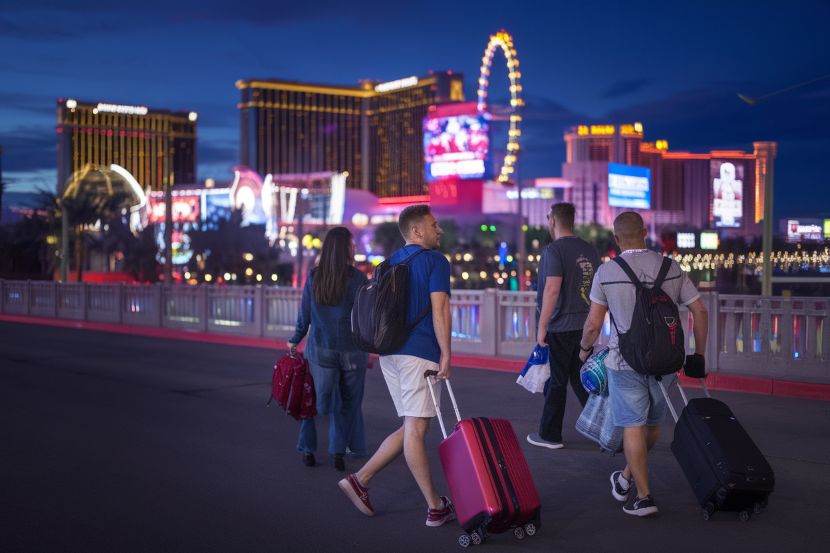
Las Vegas, synonymous with tourism and entertainment, is feeling the brunt of this downturn. With around 150,000 hotel rooms, it boasts one of the largest hospitality markets in the world. The decline in international visitors has compelled several properties to reconsider pricing strategies in an attempt to attract guests.
Tourism officials estimate that the downturn contributed to a staggering $6.7 billion revenue shortfall for hotels across Nevada in 2025. Even high-end resorts along the Las Vegas Strip are lowering rates and introducing promotional packages to keep occupancy levels up, presenting budget-conscious travelers with excellent opportunities to experience luxury at more accessible prices.
Travel Insight: Visiting Las Vegas During the Slow Period
For those contemplating a Las Vegas trip during this quieter tourism cycle, several benefits emerge:
- Lower hotel rates
- Discounted entertainment packages
- Fewer crowds at attractions and shows
- Better access to top-tier restaurants
These advantages make the shimmering city even more inviting for frugal visitors.
Optimism for 2026: The FIFA World Cup
Despite the current challenges, there’s significant hope centered on the 2026 FIFA World Cup, which is set to unfold across various cities in the U.S., Canada, and Mexico. Scheduled from June 11 to July 19, 2026, this high-profile event will feature matches in 11 American cities, including iconic hubs such as:
- Los Angeles
- New York/New Jersey
- Miami
- Dallas
- Atlanta
- Seattle
- Boston
- San Francisco Bay Area
- Houston
- Kansas City
- Philadelphia
Tourism experts project that the tournament could draw between 20 million and 30 million tourists, as well as around 7 million spectators attending matches. The anticipated economic impact could reach upwards of $30 billion, providing significant benefits not only to host cities but also to neighboring areas.
Effect on Non-Host Cities Like Las Vegas
Notably, cities that aren’t hosting matches, such as Las Vegas, could still experience a tourism boost. Football fans traveling between host cities might view Las Vegas as a prime stopover destination where they can combine sports tourism with leisure activities. Likewise, hotels in Washington D.C. are promoting their strategic location close to Philadelphia, where multiple matches will take place.
Smart Travel Tips for World Cup Enthusiasts
For those planning to catch the 2026 World Cup, creating a multi-city itinerary could enhance the travel experience. Recommended combinations include:
- Los Angeles + Las Vegas + San Francisco
- New York + Philadelphia + Washington D.C.
- Miami + Orlando + Atlanta
Such diversely packed itineraries enable visitors to blend sports with sightseeing in some of America’s most celebrated locales.
Influences on Travel Decision-Making
While optimism surrounds the World Cup, it’s essential to consider external factors that may influence international travel. Geopolitical dynamics, such as the ongoing U.S.-Israeli tensions, could affect travel confidence in specific regions. Although international events like the World Cup typically endure through turbulent times, broader global conditions can still sway traveler sentiments.
Airline capacities, visa processing times, and currency exchange rates will be critical aspects shaping how many visitors head to the U.S. during this grand tournament.
Emerging Opportunities Amid the Current Slowdown
For those considering a pre-World Cup visit to the United States, the current dip in tourism presents several advantages:
- Affordable hotel accommodations in bustling cities like Las Vegas and Miami
- Increased availability at major attractions and entertainment venues
- Easier flight bookings compared to peak travel periods
- Less crowded tourist hotspots
As the World Cup approaches, demand is set to rise sharply for both flights and lodgings in host cities.
As 2026 approaches, the U.S. travel industry stands on the brink of a potential rebound. Despite the tumultuous backdrop faced in 2025, the upcoming World Cup represents a remarkable chance to revitalize international travel demand. With millions of dedicated football fans expected to flock to North America, tourism boards, airlines, and hotels are gearing up for what could likely culminate in one of the largest surges of visitors in U.S. history.