

A Taste of Home: The Cultural Significance of Zippy’s Expansion in Las Vegas
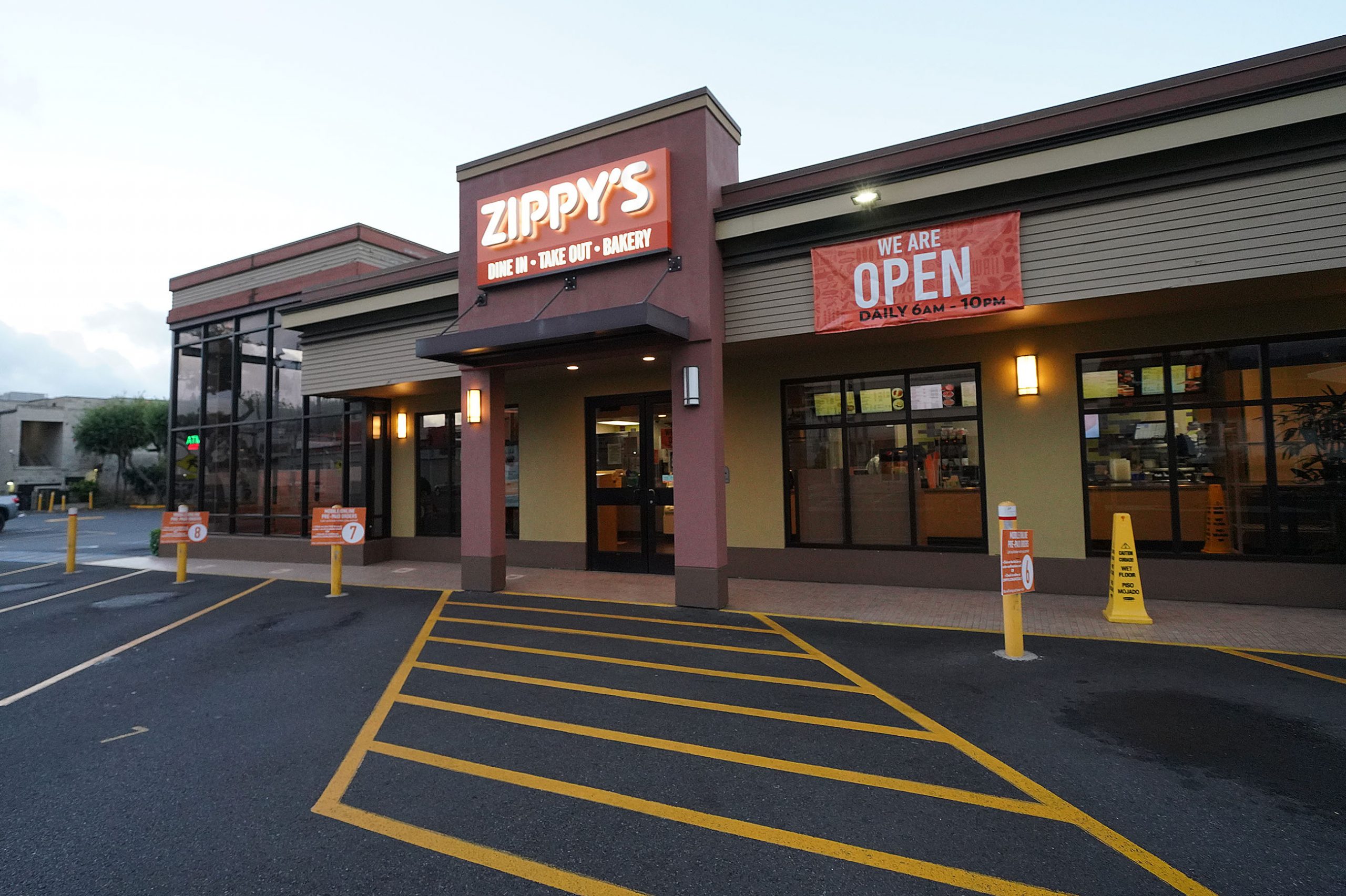
If you’ve ever taken a stroll through Las Vegas and spotted a Zippy’s restaurant, there’s an undeniable connection to home for many locals from Hawaiʻi. This week, the grand opening of a new Zippy’s was featured prominently in local news outlets, showcasing the enthusiasm surrounding its debut. The press often covers these openings as if they signify something monumental, reflecting a deep cultural significance that transcends mere dining.
A Familiar Anthem
The euphoria that accompanies the opening of a Zippy’s or an L&L Hawaiian Barbecue in Las Vegas is palpable. Local media often captures the expressions of disbelief as patrons enjoy chili and rice or a hefty plate of katsu outside of Hawaiʻi. Each new location is celebrated not just as an exciting culinary venture but as a piece of home traveling thousands of miles to provide comfort in an unfamiliar place.
A Symbol of Community
Zippy’s isn’t merely a restaurant; it embodies the essence of local culture. Each establishment serves as a milestone, signaling that diaspora communities are vibrant and thriving outside their original homes. With four Zippy’s now operating in Las Vegas, these restaurants transform Hawaiian cuisine from a culinary curiosity into an established facet of the community fabric. In a rapidly evolving urban landscape, the presence of Zippy’s reassures locals that their roots have taken hold, holding space in a city known for its transient nature.
The Impact on Perception
Each new Zippy’s opening creates a ripple effect, amplifying the narrative that Hawaiʻi-style food represents more than just sustenance. It signifies a claim to identity, like planting a flag in foreign soil. For many Hawaiians residing in Las Vegas, the presence of Zippy’s stands as a testament to their community, a sign that they carry their culture with them and that the essence of home can be found even in Sin City.
A Measure of Belonging
Interestingly, Zippy’s establishments in Hawaiʻi range from everyday neighborhood hangouts to more upscale venues, reflecting a diverse culinary landscape. This range indicates that local residents are still active participants in their neighborhoods, and their culture remains intact against the encroachment of gentrification and tourism.
Zippy’s itself has a robust footprint in Hawaiʻi, boasting 23 locations across the islands, but its absence in Kauaʻi highlights a unique discrepancy. The last Zippy’s in Kauaʻi closed in 1992 post-Hurricane ʻIniki, leaving a noticeable gap that local residents still feel today. Younger generations have taken to social media to express their longing for Zippy’s, lamenting that Las Vegas has become a more appealing destination for their beloved diner fare.
Kauaʻi: A Culinary Powerhouse
Though some may mourn the absence of Zippy’s in Kauaʻi, the island is far from lacking in local flavors. Established eateries like Kauaʻi Hamura Saimin and Tip Top Restaurant continue to serve local favorites, offering comfort food steeped in cultural history. The ongoing popularity of these establishments serves as a reminder that while Zippy’s may be an iconic brand, Kauaʻi boasts its own culinary champions who capture the local palate.
Finding Home Away from Home
Beyond the nostalgia surrounding Zippy’s, there lies a deeper understanding of the lives of Hawaiians who relocate. Many move not out of necessity, but to embrace a better quality of life. They find affordable housing, quality education opportunities, and the culinary delights that remind them of home.
In the context of Las Vegas, the growing number of Zippy’s locations represent an affirmation of this choice. Hawaiʻi residents living in Las Vegas are not merely surviving; they are thriving, making meaningful lives replete with traditions and flavors from their home islands.
The Broader Implication
Zippy’s presence in Las Vegas carries with it a layered importance—a marker that conveys the message: “You belong here.” It communicates a sense of belonging and validation for those far from their roots. For many, a Zippy’s meal is a comforting reminder that culture, food, and community can coexist even in new environments.
Rather than focusing solely on the migration of Hawaiʻi residents to the mainland or the challenges they face, the celebration of Zippy’s expansion reflects a nuanced understanding of identity and belonging. It acknowledges the complexity of the Hawaiian experience and the ways in which culture can adapt while still remaining authentic. In this ever-evolving landscape, Zippy’s serves not just as a restaurant, but as a beacon of what it means to carry a piece of home with you, no matter where you are.