
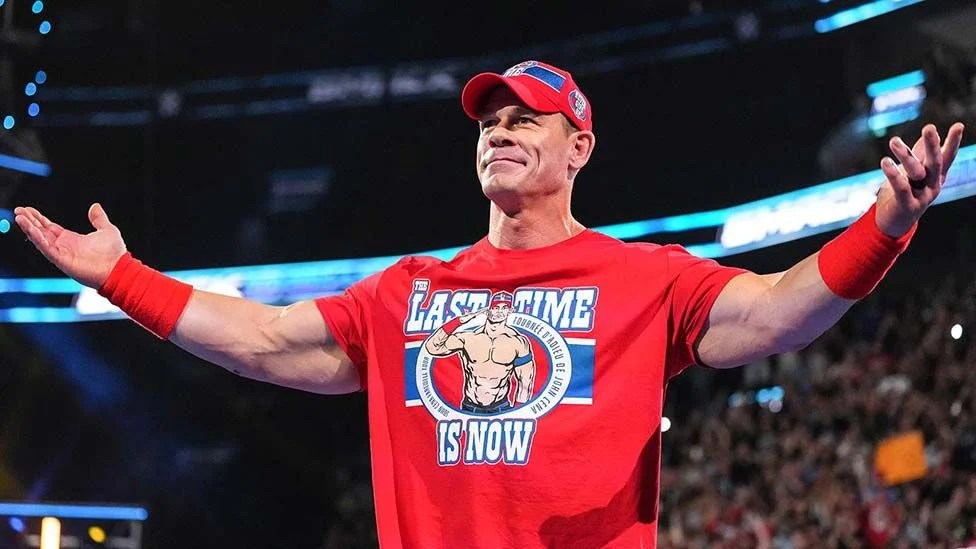

John Cena, a cornerstone of World Wrestling Entertainment (WWE) and one of its most bankable stars, has officially closed the chapter on his illustrious wrestling career. His final match against Gunther marked not just a conclusion to an illustrious in-ring saga, but the end of an era characterized by both his dominance in the squared circle and his unparalleled influence beyond it.
According to Brandon Thurston, owner of Wrestlenomics, Cena stood out as the foremost economic driver for WWE from 2005 to 2015. His reign coincided with the company’s shift to a family-friendly PG era, where Cena emerged as the leading attraction—hitting home runs with pay-per-view buys, TV ratings, and merchandise sales. His infectious charisma and consistent dedication created a golden period for the company and a tangible connection with fans.
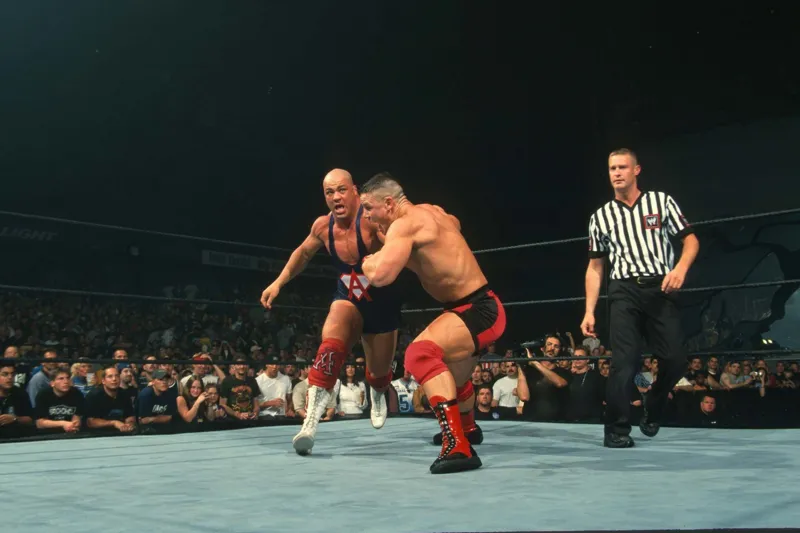
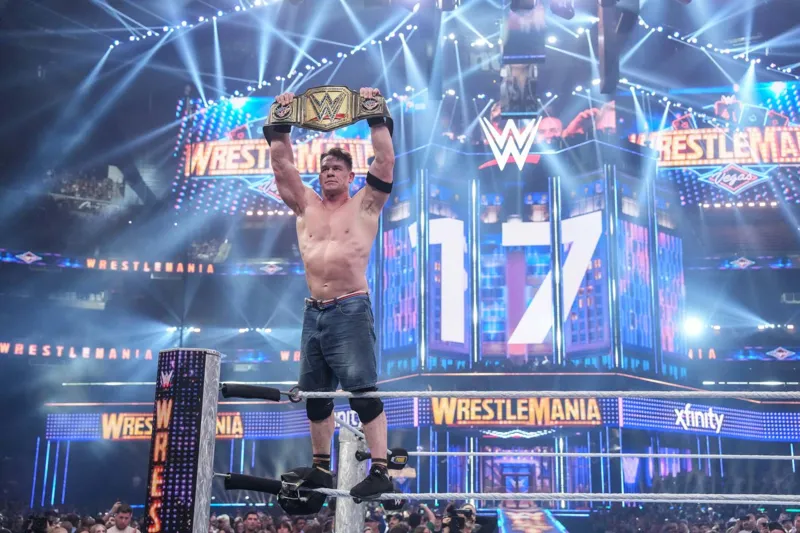
Since his debut in 2002, Cena has solidified his status as a legendary performer by clinching a record-tying 17 world titles. Each championship win underscored his capacity to evolve and adapt, showcasing his remarkable talent and resilience. It’s a testament not just to his in-ring skills, but also to the narratives crafted around his character that resonated with fans around the world.
However, Cena’s legacy transcends the realm of wrestling. His catchphrase, “You Can’t See Me,” has become ingrained in pop culture, yet it is the foundation of his persona—the “Never Give Up” attitude—that truly embodies his brand. He holds the Guinness World Record for granting the most wishes through the Make-A-Wish Foundation, fulfilling over 650 requests. This partnership reflects his authentic commitment to philanthropy, which has left a lasting impact on countless lives, as highlighted by Dr. Gillian Brooks from King’s Business School.
A Chosen Star
Cena’s ascent to the top came at a pivotal moment when wrestling icons like The Rock and Stone Cold Steve Austin were transitioning from active in-ring performance. Former WWE chairman Vince McMahon recognized Cena’s potential, choosing him for the lead role due to his extraordinary work ethic, marketability, and his unique ability to engage with passionate crowds on the microphone. Wrestling experts consistently point out how Cena’s rise was not just fortuitous, but rather a carefully chosen path through which WWE could transform its future.
As Cena transitioned to a reduced schedule around 2015, a noticeable shift in the WWE product was observed, underscoring the significant value he brought to the brand and its storytelling. His absence became palpable, marking how integral the “face of the company” had been to its momentum.
The Final Curtain
Cena’s final showdown against former world heavyweight champion Gunther followed his declared retirement run for 2025, spurred by the physical toll that years in the ring had taken on his body. This match, streamed internationally on platforms like Netflix and Peacock, stood as a fitting climax to a career that saw Cena evolve from a rookie fueled by “ruthless aggression” to a multi-faceted performer, encompassing both acting and philanthropy.
Even as he steps away from the ring “100% done” as a competitor, Cena’s influence will continue through a five-year deal as a WWE ambassador. This ensures that his legacy and brand remain closely tied to the WWE enterprise, keeping the spirit of John Cena alive in the hearts of fans worldwide, even in his absence from the squared circle.