

LAS VEGAS (KSNV) — Authorities in Las Vegas have made a startling discovery: a possible biological laboratory operating within a residence on Sugar Springs Drive in Northeast Las Vegas. This significant find has raised eyebrows and sparked serious concerns among law enforcement and public safety officials.
This discovery was publicly addressed during a joint press conference led by LVMPD Sheriff Kevin McMahill, FBI Special Agent in Charge Christopher Delzotto, and Clark County Fire Department Chief Billy Samuels. Their announcement shed light on the operation that unfolded from the morning of January 31 to the early hours of February 2. The comprehensive investigation involved multiple agencies, including the LVMPD’s ARMOR team, the FBI, local fire departments, and state partners.
As authorities combed through the residence, they meticulously collected over **1,000 pieces of evidence**, which included biological materials and liquids deemed potentially hazardous. These samples have been forwarded to FBI laboratories for extensive testing, aiming to ascertain their nature and potential risks to the public.
Investigators have identified the owner of the residence as a suspect in this critical case. Notably, this individual is already in federal custody, linked to a prior biolab investigation in Reedley, California, that unfolded earlier in 2023. This connection raises questions about the extent of illegal biological research and whether a broader network operates between these locations.
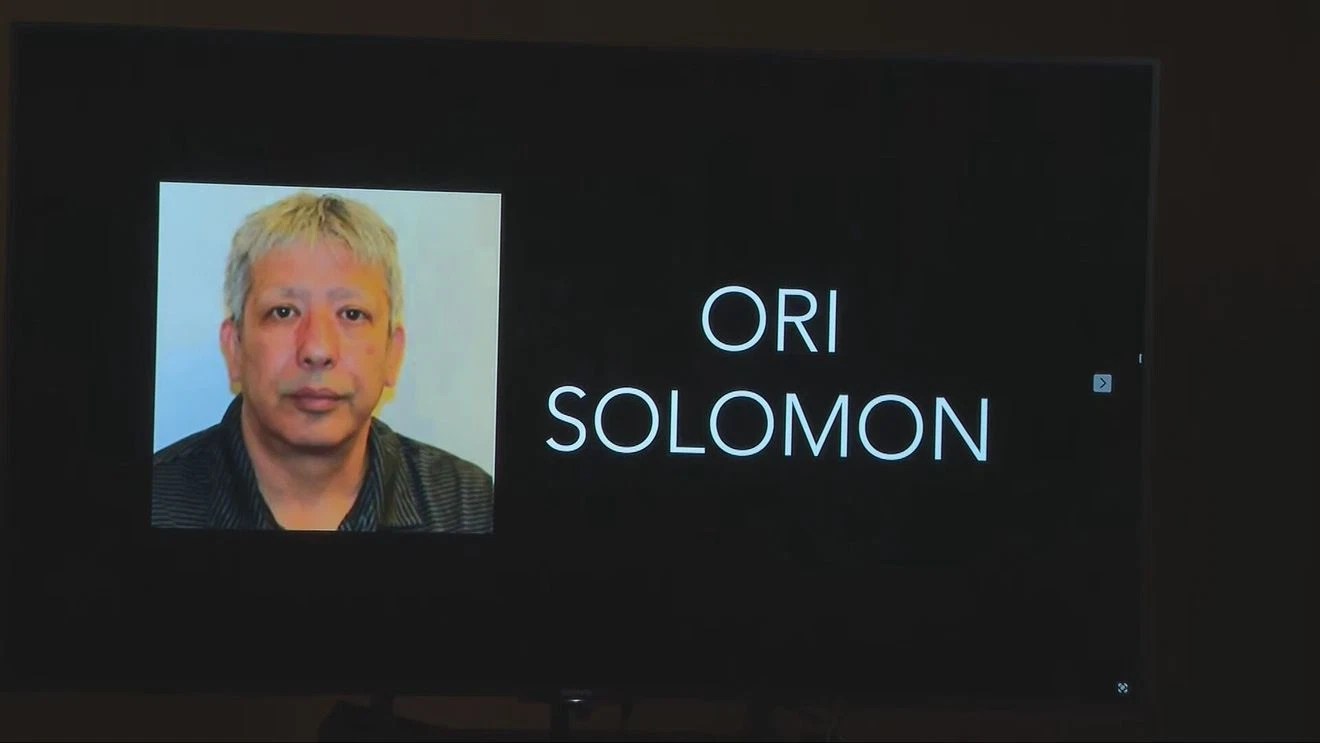
Adding further intrigue to the case, a second suspect, **55-year-old Ori Solomon**, was arrested in connection with the Las Vegas investigation. As the property manager for both the Sugar Springs Drive and nearby Temple View Drive properties, Solomon faces serious charges, including the disposal and discharge of hazardous waste. His arrest highlights the potential dangers associated with the clandestine laboratory and its environmental implications.
The implications of this investigation extend beyond immediate concerns. The existence of unauthorized biological laboratories poses significant risks to public health and safety, raising alarms about biosecurity in private residences. As the investigation unfolds, residents of Las Vegas and beyond may wonder what measures are in place to prevent such occurrences in the future.
While the investigation continues, the collaboration between local and federal authorities showcases a proactive approach to combat potential threats. The community watches closely as authorities work diligently to shed light on the full scope of this disturbing find and ensure that any associated risks are promptly mitigated.
The ongoing nature of this investigation underscores the critical importance of regulatory oversight in biological research, reminding us of the fine line between scientific advancement and potential harms when safety measures are neglected. Individuals and authorities alike are left to ponder the implications of such discoveries in their communities, making it a pertinent topic of discussion for the foreseeable future.