
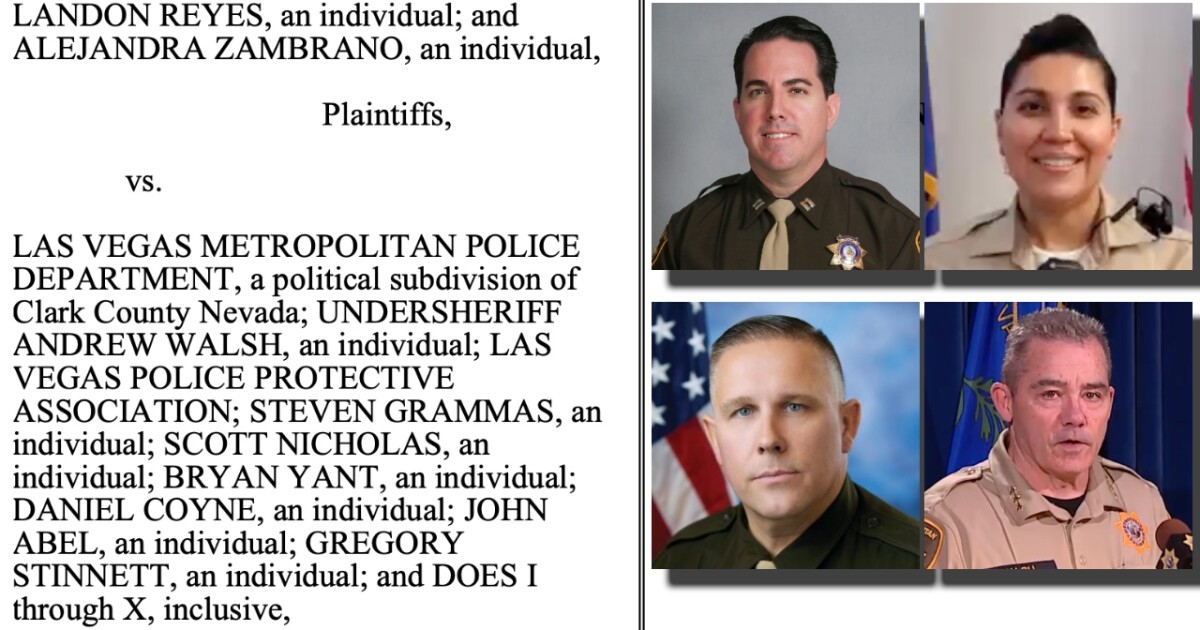

The Fallout of a "Morale Killer": A Deep Dive into Captain Landon Reyes’ Lawsuit
In the vibrant atmosphere of Las Vegas, a different kind of drama is unfolding within the Las Vegas Metropolitan Police Department (Metro) that has captured widespread attention. Captain Landon Reyes, described as a "Morale Killer" by the Las Vegas Police Protective Association (LVPPA), is at the center of a high-stakes federal lawsuit against not only the department but also its second-in-command and the union itself.
Allegations of Defamation and Silence
Reyes has leveled serious accusations against the LVPPA, claiming defamation, threats, and an attempted silencing following his efforts to defend his reputation. The term "Morale Killer," used prominently by the LVPPA in a mobile billboard campaign last summer, set the stage for this legal conflict. In his lawsuit, Reyes alleges that the union undertook a public smear campaign aimed at damaging his reputation, following his reporting of alleged sexual misconduct by another officer.
The billboard, which became a focal point of contention, was defended by LVPPA President Steve Grammas as a necessary measure to instigate change. He remarked at the time that the billboard was not a slanderous attack but rather a dramatic proclamation intended to address what he characterized as troubling behavior.
Retaliation Claims Following Misconduct Reports
Reyes asserts that the billboard campaign was retaliation for his attempts to address inappropriate behavior within the force. Following his communications warning colleagues about "unprofessional sexual misconduct comments," the union allegedly began to track his activities closely. Reyes claims that his efforts to create a safer environment were met with hostility, culminating in the banner attacks aimed at publicly humiliating him.
In the legal filings, Reyes and his wife, Sergeant Alejandra Zambrano, argue that despite their grievances, they were prohibited from responding to the attacks. This suppression, they allege, allowed damaging narratives about Reyes to persist unchecked.
The Billboard Campaign: A Display of Division
The LVPPA’s decision to roll out the mobile billboard was striking not only for its brazen message but also for its timing. Positioned strategically at the South Central Area Command, the billboard was said to have followed Reyes to Metro headquarters, where it continued to cast a shadow over his reputation. The union, however, has defended the actions, with Grammas claiming the focus was supposed to remain on the individual issues at hand and not escalate into a widespread department problem.
The lawsuit contends that rather than facilitating a resolution through normal grievance channels, the billboard served as a tool for intimidation. This form of public disgrace, it is claimed, was both disproportionate and counterproductive, creating a toxic atmosphere within the police force.
An Alleged Meeting of Harassment
Adding another layer to this complex scenario, the lawsuit alleges that during a meeting between Reyes, Grammas, and Undersheriff Andrew Walsh, Reyes was subjected to further intimidation. He alleges that Walsh failed to defend him against Grammas’ derisive remarks and instead exacerbated the situation by belittling Reyes and dismissing his concerns about the impact of the public campaign on his family and colleagues.
Such interactions led Reyes to believe that any hope of addressing the matter internally was rapidly fading. Claims of being outright silenced circulated, with Reyes instructed to refrain from pursuing an Internal Affairs report regarding the union’s retaliatory actions.
The Broader Implications of the Lawsuit
As this lawsuit makes its way through federal court, its implications extend beyond just the individuals directly involved. The accusations point to a deeper cultural and structural issue within the Las Vegas Metropolitan Police Department. The actions taken by the LVPPA and the conditions under which Reyes reports feeling under threat reflect underlying tensions in department operations, particularly concerning internal reporting mechanisms regarding misconduct.
This case also highlights the precarious balance between the rights of officers to defend themselves and the union’s right to express its collective grievances. Grammas, who is simultaneously campaigning for a position on the Las Vegas City Council, finds his leadership increasingly scrutinized as this legal battle unfolds. Notably, campaign contribution records reveal financial backing from unions associated with the LVPPA, further complicating the narrative.
Closing Thoughts on the Situation
As Reyes contests the claims against him in court, the notion of what defines appropriate conduct within law enforcement agencies is brought into sharp relief. The outcomes of this case carry the potential to reshape not only how officers handle misconduct allegations but also how unions engage in advocacy on behalf of their members.