

International Tourism Slump and Skyrocketing Prices Drive Gaming Revenue Down on Las Vegas Strip and Across Nevada
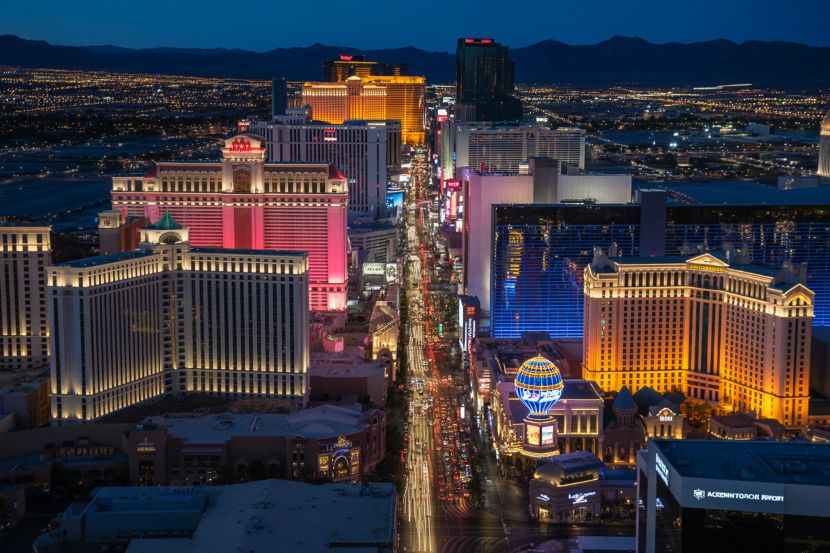
The iconic Las Vegas Strip, known for its vibrant nightlife, extravagant resorts, and high-stakes gambling, is facing an unprecedented slump in its gaming revenue. January’s figures revealed a staggering 11% drop, leading to a loss of $747.7 million. This decline can largely be attributed to two main factors: the high pricing of services and a sharp decrease in international tourism. As the city grapples with this troubling trend, the implications extend beyond the gaming industry, beckoning a closer examination of how these changes impact U.S. travel and tourism overall.
Tourism Setbacks Lead to Gaming Revenue Slump
Las Vegas has long been synonymous with entertainment and luxury. Yet, recent reports from the Nevada Gaming Control Board indicate a worrying trend. The gaming win on the Strip fell by 11% year-over-year, signifying significant concern for the tourism and hospitality sectors. While many parts of the globe are witnessing a revival in travel, Las Vegas appears to be bucking this trend.
Experts point to escalating airfares, increasing hotel costs, and lingering economic uncertainties as key culprits in deterring international visitors. With a weakened dollar and ongoing geo-political instability in places like Asia and Europe, the influx of international tourists has dramatically diminished, leaving Las Vegas struggling to fill its once-bustling streets.
Skyrocketing Prices Driving Away International Visitors
One of the more pressing issues contributing to gaming revenue decline is the relentless rise in hotel and gaming prices. Las Vegas, previously known for its range of options catering to every budget, is increasingly pricing itself out of reach for many potential tourists.
As accommodation costs soar and entertainment expenses rise, visitors are opting for more budget-friendly destinations. Recent surveys indicate that travelers, especially from overseas markets, feel the pinch of a diminishing dollar value when weighing the cost of a trip to the Strip against other options. While hotel occupancy rates remain relatively steady, they have plateaued due to high pricing, leading to shorter stays and less spending per visitor.
Local Impact: Gaming in Downtown Las Vegas Takes a Hit
The effects of this downturn are not confined to the Las Vegas Strip. Downtown Las Vegas is also feeling the sting, witnessing a 5.2% drop in gaming revenue compared to the prior year, resulting in a $79.4 million loss. Interestingly, while Las Vegas struggles, Reno casinos reported a 2.9% increase in their gaming revenue, raking in $69.1 million for the same month.
This divergence highlights a potential trend where smaller or alternative gaming destinations might be better positioned to attract tourists seeking lower-cost options. The decline in downtown casinos reflects a larger issue; there exists a widening gap between the demand for affordable options and the high-end experiences that are quintessential to Las Vegas.
Baccarat and Table Games Take the Hardest Hit
Not all gaming forms are suffering equally. Data shows that table games, particularly baccarat, are experiencing the steepest declines. Baccarat, a luxury draw for high-rolling international tourists, faced an alarming 43% drop in revenue just for January. The costly nature of these games creates a dependency on premium clients, who are noticeably less frequent this year due to economic upheavals.
This dynamic suggests a need for the Las Vegas gaming sector to rethink its strategy, focusing on diversified offerings that cater to a broader audience. Enhancing mid-market and affordable gaming options could be vital to recapturing the once-constant influx of international gamblers.
Tourism and Conventions: Can Las Vegas Bounce Back?
Despite the challenges facing gaming, the overall Nevada tourism industry remains crucial to the state’s economy. While the Las Vegas Strip grapples with fluctuating international visitor numbers, the state continues to attract significant crowds for conventions and major events.
These large gatherings provide a lifeline for domestic tourism, with conventions helping to sustain visitor numbers and stabilize gaming revenue. The importance of this segment cannot be overstated; events targeting business travelers could serve as a critical buffer against the loss of international tourists.
To maximize these opportunities, Las Vegas tourism boards and resort operators must blend leisure with business effectively. Additionally, they need to focus efforts on enticing visitors from burgeoning international markets like Mexico and Canada. By adjusting promotional strategies and enhancing offerings, the city might reclaim its status as a premier global destination.
What Does This Mean for U.S. Tourism?
The situation in Las Vegas is indicative of broader challenges facing the U.S. tourism sector as a whole. With international travel still on the road to recovery post-pandemic, areas like Las Vegas are struggling to regain their former visitor levels. However, a significant uptick in local tourism suggests a shift toward domestic travel, a trend likely to persist.
For prospective tourists, here are some practical takeaways:
-
Conduct thorough research before booking. Understanding the available deals and packages can lead to better travel choices.
-
Explore alternative destinations within Nevada, like Reno or Lake Tahoe, which may provide a more budget-friendly experience.
- Consider traveling during off-peak times to avoid crowds and secure better pricing on accommodations and experiences.
Looking Ahead: Can the Las Vegas Strip Adapt?
Despite the hurdles ahead, Las Vegas maintains its reputation as a key player in the global tourism arena. To overcome this revenue slump, the Strip’s operators must rethink their approaches, focusing on accessibility and pricing strategies that cater to a more diverse visitor demographic.
By introducing more affordable travel packages, diversifying gaming options, and enhancing marketing efforts to attract those from emerging international markets, Las Vegas stands a chance to regain its allure as a top global destination.